English| EUR
Suggested for you
More currencies
Choose a language
Three Sisters Springs operates under strict seasonal watercraft rules designed to protect its resident manatee population. Whether you can paddle inside the springs depends on the time of year, water temperature, and federal wildlife protections that shift between observation-only and limited-access periods.
Quick answer
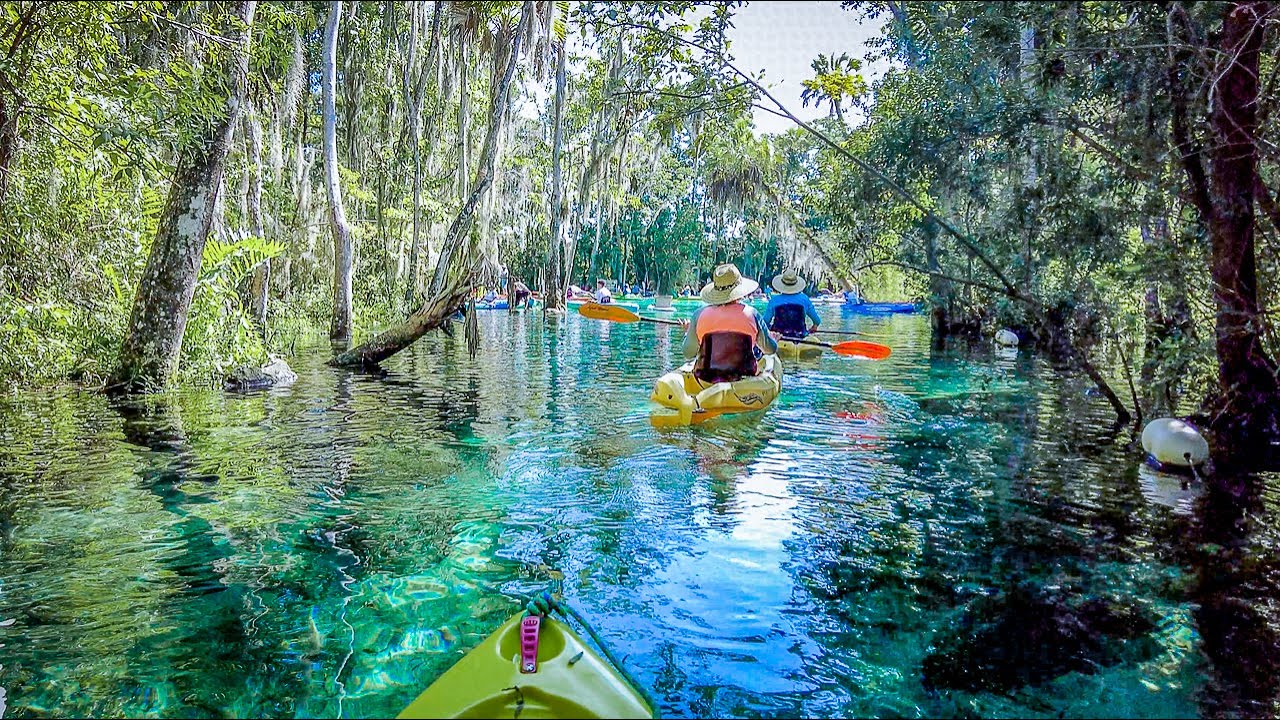
Kayaking in Three Sisters Springs is prohibited during manatee season, typically mid-November through March, when the refuge is closed to all watercraft and swimmers. Outside manatee season—roughly April through mid-November—kayaks and paddleboards are permitted inside the springs, though access depends on daily manatee counts and U.S. Fish & Wildlife Service regulations that can extend closures if water temperatures drop or manatee presence remains high.
Three Sisters Springs serves as a federally designated manatee sanctuary within the Crystal River National Wildlife Refuge, and its watercraft rules are among the strictest in Florida. The question of whether you can kayak in three sisters springs hinges entirely on the calendar and the manatees themselves. When water temperatures in the Gulf of Mexico fall below 68°F—usually between mid-November and late March—hundreds of manatees migrate into the springs' 72°F water to survive the winter. During this period, the U.S. Fish & Wildlife Service closes the springs to all in-water activity, including kayaking, paddleboarding, and swimming. The boardwalk remains open for observation, but no vessels are allowed inside the spring run. Once manatee season officially ends, typically in late March or early April, kayak access resumes under controlled conditions. Paddlers may enter the springs from the adjacent Crystal River, but daily capacity is managed to prevent crowding and habitat disturbance. Rangers monitor manatee presence throughout the off-season, and if animals remain in the springs or if a cold snap drives them back, closures can be reinstated without advance notice. Kayakers who launch from public access points along the river can paddle up to the springs' boundary, but entry into the refuge itself is governed by posted signage and real-time wildlife activity. The boardwalk and sanctuary landscape provide year-round access for those who want to experience the springs without paddling. The 917 Three Sisters Springs Trail entrance opens daily at 8:30 AM, and visitors pay a land-access fee to walk the elevated platforms that overlook the spring basin. This vantage point offers close views of manatees during winter and reveals the springs' aquifer-fed clarity during summer, when paddle access returns. The refuge's dual-access model—water-based recreation in warm months, observation-only in cold months—reflects decades of conservation policy shaped by manatee recovery efforts and spring ecosystem science. Paddlers planning to kayak in Three Sisters Springs should confirm current access status before arriving. The Crystal River Chamber and U.S. Fish & Wildlife Service publish daily updates on watercraft restrictions, manatee counts, and seasonal transitions. Kayak rentals and guided tours operate from nearby outfitters along the river, many of whom provide real-time access intel and alternative paddle routes when the springs are closed. Understanding the seasonal rhythm and regulatory framework ensures you arrive when kayaking is both allowed and ecologically responsible.
“When water temperatures in the Gulf fall below 68°F, hundreds of manatees migrate into the springs' 72°F water, and the refuge closes to all watercraft.”
Visitors to Three Sisters Springs face a choice between viewing the area from the land-based boardwalk or experiencing the water directly via kayak or paddleboard. These two methods offer distinct vantage points for observing the spring system.
| Land Access Boardwalk Viewing | Water Access Kayak/Paddleboard Recommended | |
|---|---|---|
| Access Point | 917 Three Sisters Springs Trail | Crystal River waterway |
| Water Entry Allowed | No | Yes |
| Viewing Perspective | Overhead bird's-eye view | Surface level immersion |
| Permit Requirements | Boardwalk entry fee only | Managed access via local launch |
Verdict: Choose the boardwalk for dry, elevated observation, or select a kayak tour to navigate the spring run and water surface directly.
Three Sisters Springs operates on a consistent daily schedule throughout the week to manage visitor access. Planning your visit within these hours is essential for those inquiring if you can kayak in Three Sisters Springs.
The best arrival window is 08:30–15:30 to avoid crowds and beat the 3:30 PM last entry deadline. Planning your visit for early weekday mornings provides the most quiet experience on the water.
—
Arriving at opening time offers the clearest water and minimal kayak traffic.
Cooler, 60°F to 75°F
Manatees frequent the springs during these months, leading to high visitation levels.
Warm, 80°F to 90°F
Warmer temperatures allow for comfortable paddling, though weekends remain consistently busy.
Verdict: The best time to visit is Tuesday to Thursday, arriving at 08:30 during the months of April or October.
Three Sisters Springs is a designated manatee sanctuary with strict conduct rules enforced year-round to protect the resident population. Violations can result in removal from the water and federal penalties.
Everything you need to know about can you kayak in three sisters springs
Yes, you can paddle through the refuge waters, though specific access points depend on current environmental regulations. You may enter the spring run via kayak to observe the crystal-clear water and natural wildlife. Many visitors choose to book a guided Crystal River kayak tour to navigate the spring system efficiently. Always check local guidelines before launching to ensure you are following the latest rules for the Three Sisters Springs area. Since seasonal manatee protection efforts can change, confirming status before your trip is essential. During peak manatee season, the springs may be closed to human entry to protect these animals, meaning you might only be able to view them from the surrounding boardwalk. Understanding how to manage your launch time helps you avoid crowds and ensure a smooth experience. You can launch from various public boat ramps or commercial launch sites located around the Crystal River area. Once you reach the spring entrance, follow all posted signs regarding speed and restricted zones to protect the delicate ecosystem. Professional guided excursions provide the most seamless experience for those looking to explore this Florida landmark. These tours handle the logistics of entry and equipment, allowing you to focus on the observation of native wildlife and the unique spring landscape.
Three Sisters Springs Manatee Clear Kayak Tours
Read more Tickets & toursClear Kayak Rentals at Three Sisters Springs
Read more GuideThings to Do at Three Sisters Springs
Read more GuideHow to Get to Three Sisters Springs by Kayak
Read more Tickets & toursClear Kayak Sunset & Glow Tours
Read more