Three Sisters Springs Clear Kayak Tour
Activity Guide

What Is There to Do at Three Sisters Springs

Three Sisters Springs offers a rare combination of accessible wildlife observation and hands-on water recreation within a single protected ecosystem. The sanctuary balances passive boardwalk viewing with seasonal in-water activities, all designed to protect the resident manatee population. This guide covers what you can do year-round and what changes with the seasons.

10 min read Updated 2026-11-01 Fact-checked
What Is There to Do at Three Sisters Springs

Quick answer

Three Sisters Springs provides five core activities: elevated boardwalk viewing of manatees and spring vents, seasonal kayaking and paddleboarding through designated channels, in-water snorkeling and swimming when manatees migrate (typically mid-April through mid-November), wildlife photography from observation decks, and interpretive nature walks along the forested trail system. Water access closes during manatee season to protect the animals during their vulnerable cold-weather refuge period.

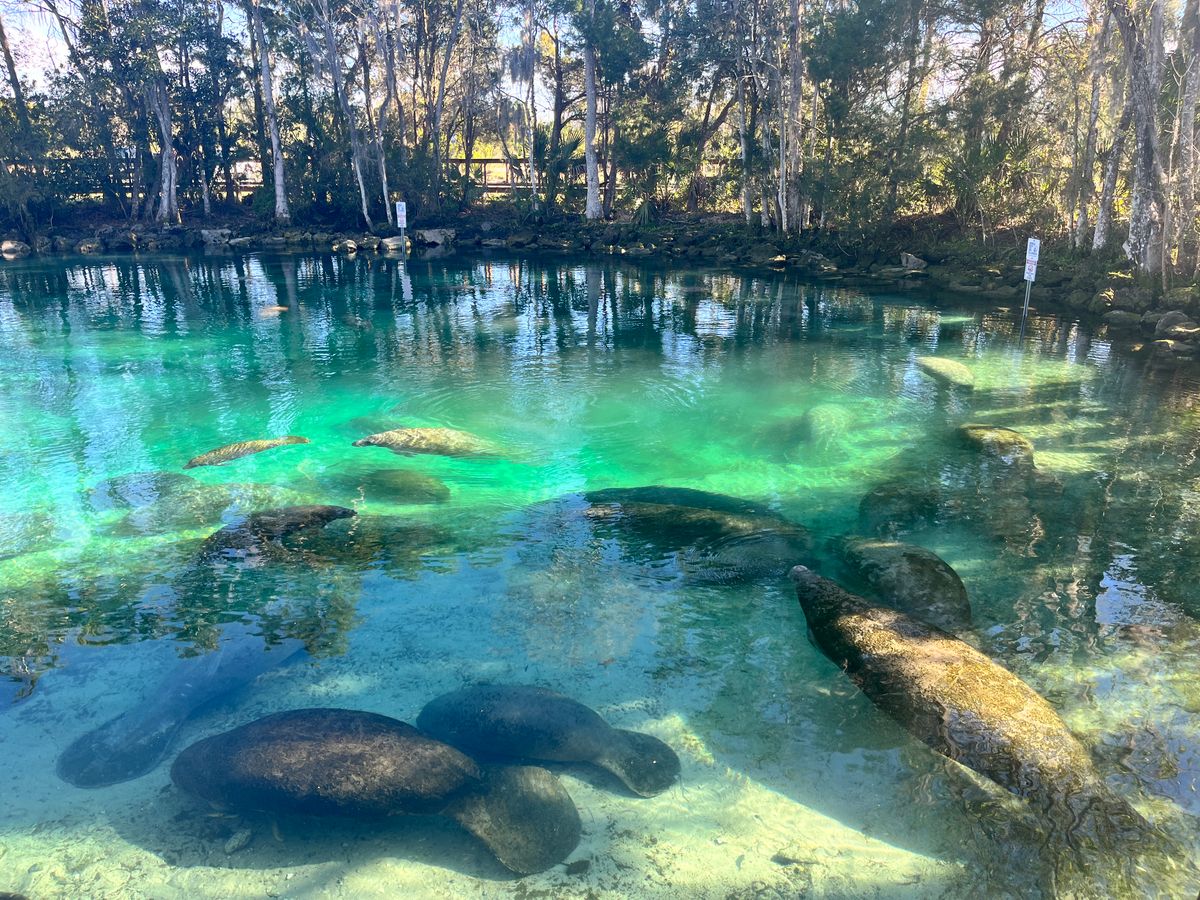
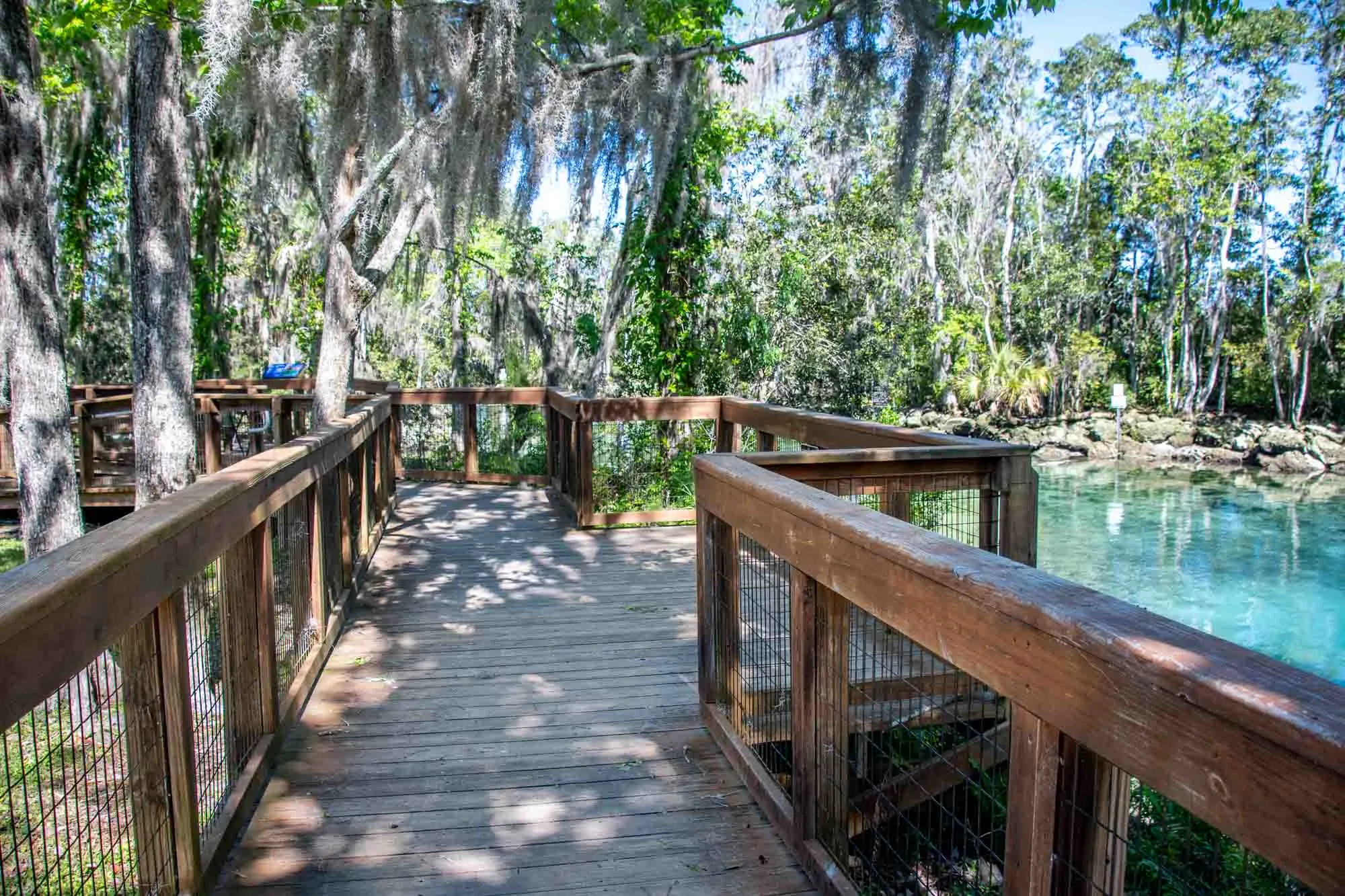
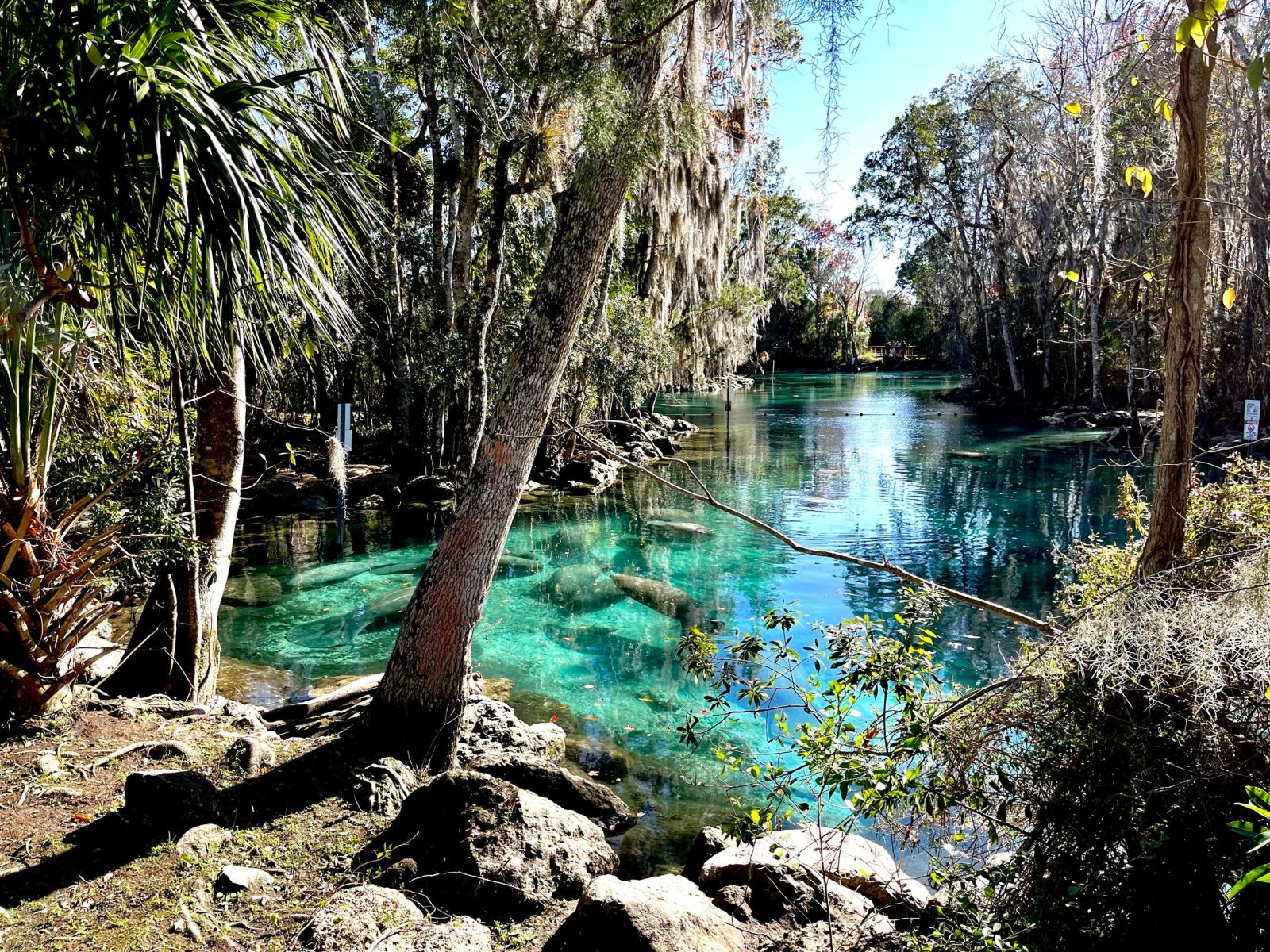
The spring complex pumps 64 million gallons of 72-degree water daily into Kings Bay, creating a thermal refuge that draws hundreds of manatees every winter and sustains year-round clarity measured in tens of feet. That hydrology shapes every activity available here. The elevated boardwalk system delivers the most reliable experience across all twelve months. The 1,350-foot accessible path threads through cypress canopy and crosses directly over the main spring basin, where underwater viewing windows frame manatees, turtles, and mullet suspended in water so transparent depth becomes difficult to judge. Early morning walkers between 8:30 and 10:30 encounter the fewest visitors and catch manatees still clustered over the warmest vents before they disperse into the wider bay. Interpretive panels at six stations explain spring ecology, manatee thermal regulation, and the legal protections that govern human interaction. The boardwalk requires no reservation, no special equipment, and no swimming ability—it remains the primary access point for families with young children, mobility-limited visitors, and anyone prioritizing observation over immersion. Water activities operate on a split calendar. From approximately mid-November through March, when water temperatures in the Gulf of Mexico drop below the manatees' survival threshold of 68 degrees, the springs become a designated manatee sanctuary and all in-water recreation closes. During this period, the animals pack into the spring basin in groups that can exceed two hundred individuals, and human presence in the water would disrupt their thermoregulation and calving behavior. The boardwalk becomes the sole viewing method, and it is during these months that the spectacle reaches its peak—dozens of manatees visible in a single sightline, mothers with calves, and congregations so dense the animals rest atop one another. When the Gulf warms and manatees migrate back to coastal feeding grounds, typically mid-April onward, the springs reopen for passive in-water use. Snorkelers and swimmers enter from the designated launch area near the trailhead and drift through marked channels, maintaining the mandatory fifteen-foot distance from any manatee that lingers in the area. The same 72-degree clarity that draws the animals in winter makes this one of Florida's most pristine snorkeling environments in summer—eelgrass beds, limestone ledges, and the spring boil itself all visible without stirring silt. Kayakers and paddleboarders follow the same seasonal calendar, launching from the nearby Kings Bay and paddling into the spring run when water access is open. Rentals and guided clear-kayak tours operate from several outfitters along the waterfront, most offering early-morning departures to coincide with the best light and calmest conditions. Photography constitutes its own category of activity here. The combination of reliably calm water, high contrast between dark manatee silhouettes and white sand substrate, and the boardwalk's stable shooting platform makes Three Sisters Springs one of the most photographed manatee sites in Florida. Visitors arrive with everything from smartphones to mirrorless rigs in underwater housings, and the lack of a tactile interaction rule means framing and patience matter more than proximity.
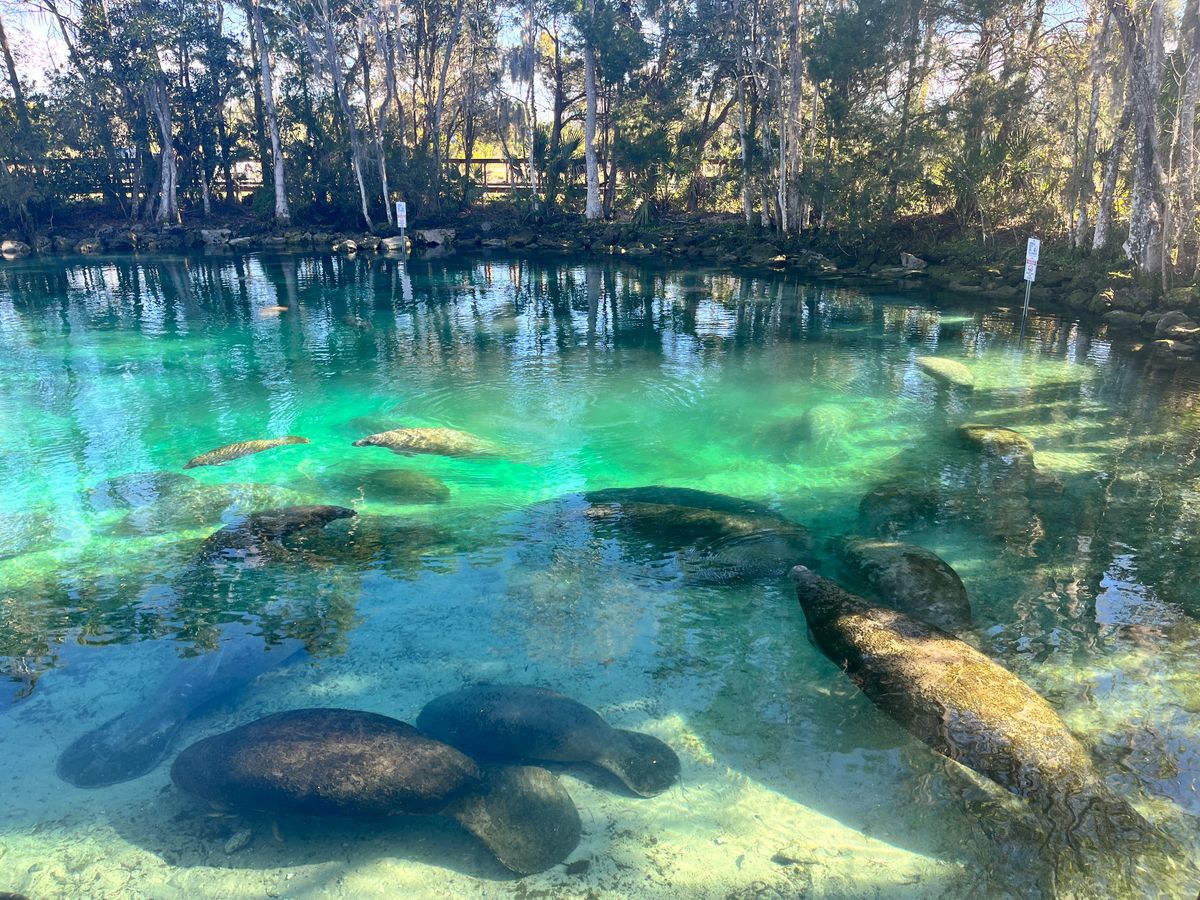
“The spring pumps 64 million gallons of 72-degree water daily, creating a thermal refuge that draws hundreds of manatees every winter and sustains year-round clarity measured in tens of feet.”
Timing

The Best Time and Window for What Is There to Do at Three Sisters Springs

The best time to visit Three Sisters Springs is during the early morning hours, particularly when the seasonal manatee migration occurs between November and March. Arriving during the best arrival window of 08:30–10:30 ensures optimal wildlife viewing conditions and a more tranquil experience on the boardwalk.

November to March

High during cold snaps

Cooler temperatures, 60°F to 75°F

This is peak manatee season when wildlife gathers in the warm spring waters. Viewing is best when temperatures are lower.

April to October

Moderate

Warm to hot, 80°F to 90°F

Warmer months offer clearer water visibility for paddling and swimming activities. The heat is less intense in the early morning.

Weekday mornings

Low to moderate

—

Visiting midweek during the early arrival window helps avoid the weekend congestion. This provides the quietest environment for observing the natural habitat.

Verdict: The best time to visit is midweek between November and March, arriving exactly at 08:30 to maximize manatee sightings and minimize crowd exposure.

Opening hours

Opening Hours for What Is There to Do at Three Sisters Springs

Three Sisters Springs operates on a consistent schedule throughout the week to provide access to the boardwalk and spring area.

Monday
08:30–16:30
Tuesday
08:30–16:30
Wednesday
08:30–16:30
Thursday
08:30–16:30
Friday
08:30–16:30
Saturday
08:30–16:30
Sunday
08:30–16:30
Visitors are encouraged to plan their arrival within the daily operating hours to ensure sufficient time for their visit.
What to see

Key Natural Features and What Is There to Do at Three Sisters Springs

Three Sisters Springs consists of three main spring lobes that feed into the Crystal River, creating a unique habitat for manatees and various freshwater fish. Visitors can explore the grounds via a perimeter boardwalk that offers elevated views of the water and surrounding wetlands.

Three Sisters Springs Lobe

Three Sisters Springs Lobe

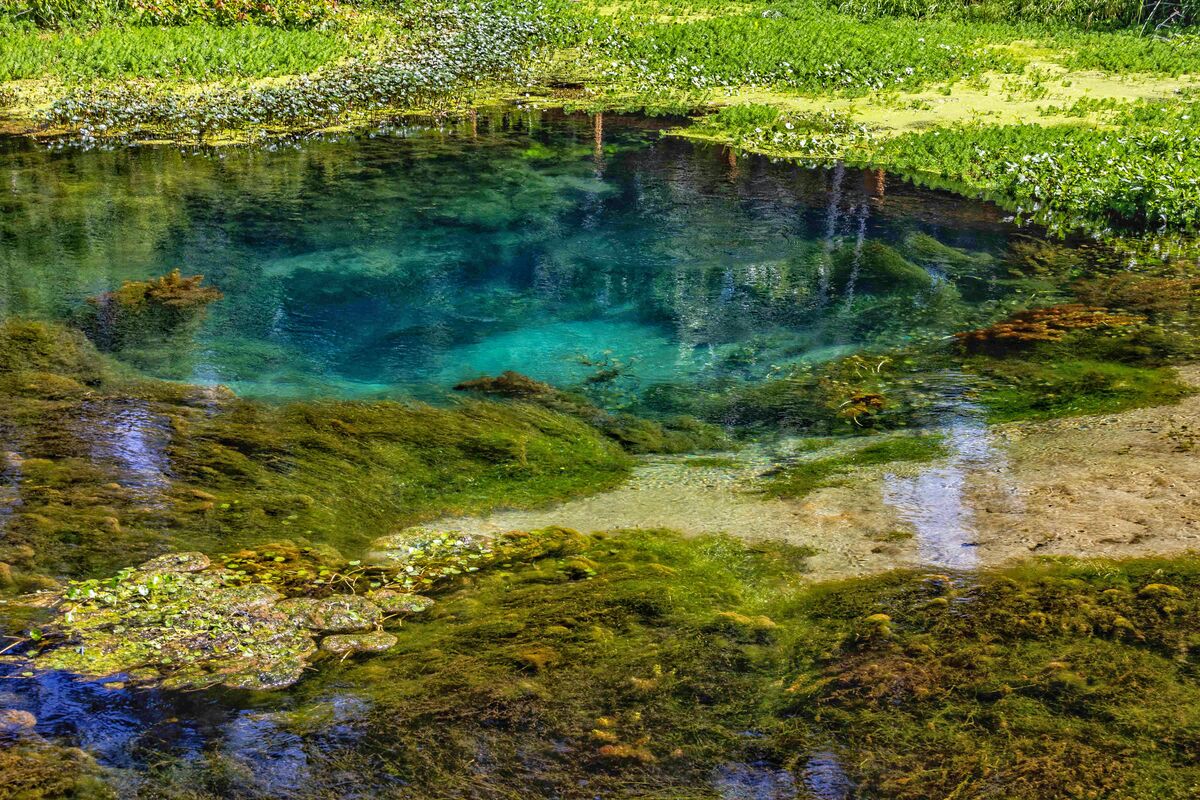
The primary spring areas feature clear, 72-degree water that remains consistent throughout the year. These lobes serve as a vital sanctuary for the West Indian manatee during colder months.

Look down from the boardwalk for manatee sightings in clear water.

Boardwalk Trail

Boardwalk Trail

This path encircles the springs and provides a vantage point for viewing the lush Florida landscape and interior spring pools. It allows for observation of the site without disturbing the delicate spring environment.

Use the elevated sections to spot wildlife hidden in dense vegetation.

Magnolia Springs

Magnolia Springs

Located within the complex, this area offers additional spring-fed waters that contribute to the flow of the Crystal River. The surrounding trees provide shaded zones that are often used by birds and small mammals.

Watch the water surface here for ripples indicating spring activity.

Wetland Habitat

Wetland Habitat

The surrounding wetlands act as a filtration system for the springs and support diverse plant life, including ancient oaks and palms. This natural area serves as an important corridor for local wildlife moving through the region.

Bring binoculars to observe bird species in the canopy.

Etiquette

Rules and Etiquette for What Is There to Do at Three Sisters Springs

Three Sisters Springs is a protected manatee sanctuary where visitor conduct directly impacts the health of the ecosystem and the safety of resident wildlife. Follow these guidelines to preserve the springs for future generations.

Do

  • Stay on designated boardwalks and observation platforms
  • Keep voices low to avoid disturbing manatees and other wildlife
  • Dispose of all trash in provided receptacles
  • Follow ranger instructions and posted signage at all times
  • Observe manatees from a respectful distance without approaching

Don't

  • Don't feed, touch, or attempt to interact with manatees
  • Don't bring food or drinks onto the boardwalk areas
  • Don't use flash photography near wildlife
  • Don't enter the water or leave designated viewing areas
  • Don't bring pets into the sanctuary
Directions

Getting to and Accessing What Is There to Do at Three Sisters Springs

Three Sisters Springs is located at 917 Three Sisters Springs Trail, Crystal River, FL 34429. Access to the springs is managed via a required shuttle service departing from the Three Sisters Springs Center.

Car Varies by origin —

Drive to the Three Sisters Springs Center at 917 Three Sisters Springs Trail

Shuttle 10-15 minutes Included with entry

Board the required shuttle at the visitor center

All visitors must process through the Three Sisters Springs Center to board the shuttle, as direct vehicle access to the springs is restricted. Plan to arrive at the visitor center early to ensure smooth transit to the boardwalk.

Book

Check availability

Frequently asked

Common Questions About Three Sisters Springs

Everything you need to know about what is there to do at three sisters springs

What is there to do at three sisters springs?

Visitors to the refuge primarily enjoy observing the natural landscape and native Florida wildlife from the elevated boardwalk. Exploring the crystal-clear water via a kayak excursion allows for a more immersive perspective of the spring vents.

How can I plan my visit to these Crystal River springs?

To plan your visit, check the operating schedule and aim to arrive within the recommended window to ensure a smooth experience. Utilizing the mandatory shuttle service from the designated visitor center is a standard part of the logistics for this landmark.

What is the best way to experience a clear kayak tour?

Booking a guided clear kayak tour provides an intimate look at the underwater environment without needing to swim. These excursions are a popular way to navigate the spring run and observe aquatic life through the transparent hull of your vessel.

What is there to do at three sisters springs if I want to see wildlife?

Birdwatching and spotting manatees are primary activities for those wondering what is there to do at three sisters springs during the cooler months. The quiet observation areas along the trail offer excellent vantage points for nature photography and peaceful reflection.

Is there an entrance fee for the refuge?

The conservation fee is 12.5 USD per person, which includes the shuttle service required to reach the site. This fee supports the ongoing protection and maintenance of the refuge grounds.

What is there to do at three sisters springs regarding boardwalk access?

The boardwalk provides a scenic, accessible path that circles the spring area, offering panoramic views of the water. This trail is the primary method for walking through the habitat while keeping human impact on the ecosystem to a minimum.

What is there to do at three sisters springs with children?

Families often find that walking the boardwalk and participating in guided water tours are the best ways to keep children engaged. Educational signage along the path provides context about the local hydrology and the importance of habitat conservation for the manatee population.

Are there specific hours for the sanctuary?

The refuge is open daily from 08:30 to 16:30. Following these hours helps ensure that all visitors can complete their experience and exit the refuge grounds by the scheduled closing time.

Keep reading

More guides & pages